AI in Finance Operations Beyond Collections: Reconciliation, Approvals and Month-End
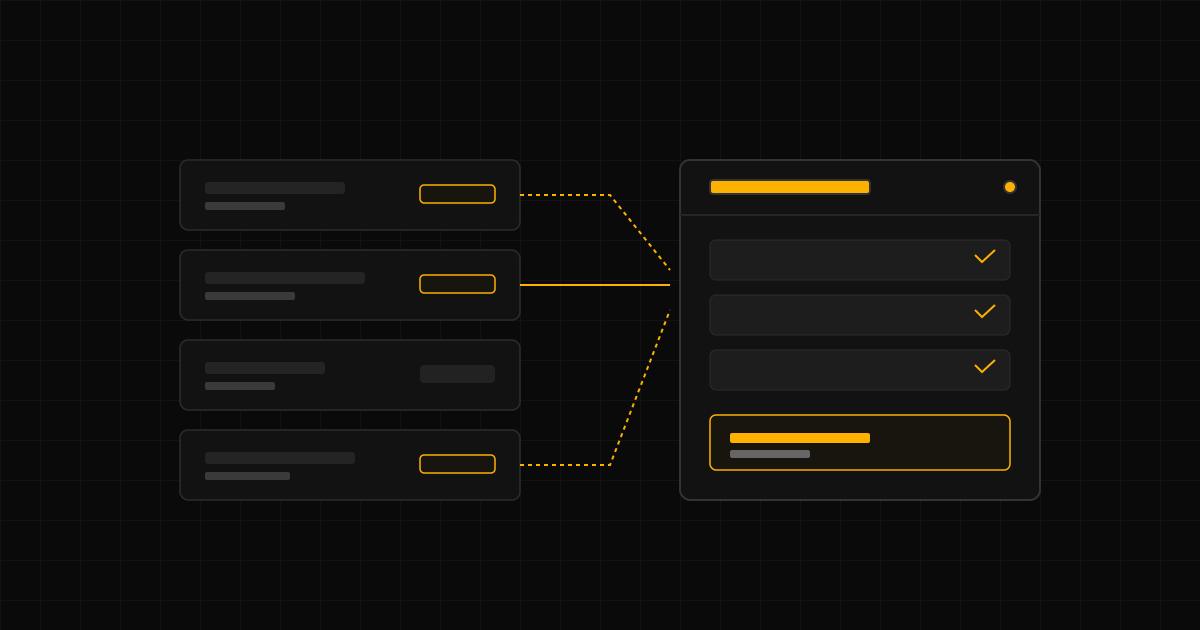
Most conversations about finance automation focus on accounts receivable. Getting customers to pay outstanding balances is visible, urgent, and tied directly to working capital.
Yet in mid-to-large businesses, debt collection is only a fraction of the operational load. A larger share of working hours disappears into clerical friction: matching incoming supplier bills to purchase orders, tracking down internal managers for invoice sign-offs, and assembling working papers during month-end close.
These tasks do not require creative financial analysis. They require steady, systematic cross-referencing across accounting software, banking portals, email threads, and spreadsheets. When done manually, they pull senior accountants away from treasury planning and strategic financial management.
Implementing dedicated ai invoice reconciliation alongside autonomous workflow coordination transforms this operational layer.
The mechanics of routine invoice reconciliation
In an active enterprise, accounts payable rarely deals with tidy, one-to-one transactions. A single supplier invoice may span multiple shipments delivered across different weeks. Another payment arrives as a lump sum covering three distinct billing statements, minus an undocumented discount or credit note.
Manual reconciliation typically proceeds through four tedious checks:
- Extracting line-item data: Accounts payable clerks open incoming PDF attachments, scan tables of goods or services, and verify that item codes correspond with internal procurement records.
- Three-way matching: The clerk compares the supplier invoice against the approved purchase order and the receiving warehouse note. If unit prices, quantities, and tax calculations match within accepted tolerances, the bill proceeds to scheduling.
- Tracking variances: When a total differs—often due to shipping surcharges, exchange rate variations, or partial fulfillment—the clerk must locate the discrepancy and draft an inquiry to the vendor.
- General ledger coding: Every line item must receive the correct cost centre code, project identifier, and tax classification before entering the enterprise ledger.
When invoice volumes scale into hundreds or thousands each month, this clerical matching consumes weeks of staff effort. Backlogs form quickly, early settlement discounts expire unused, and duplicate payments slip past fatigued review.
Where modern AI changes transaction matching
Traditional optical character recognition software struggled with complex billing layouts. If a vendor moved their payment details from the header to the footer or changed table columns, rigid parsing rules broke.
Modern language models and vision-equipped agents handle documents differently. They read invoices contextually, recognizing commercial meaning regardless of typography or layout:
- Contextual data extraction: An agent extracts line items, payment terms, currency codes, and vendor tax identifiers from any standard document structure without requiring custom templates for each supplier.
- Automated three-way cross-referencing: The system checks your enterprise resource planning database for corresponding purchase orders and goods-received logs. If figures align within pre-approved parameters, it enters the transaction and schedules payment.
- Exception routing: If quantities mismatch or unexpected fees appear, the system flags the exact difference. Instead of an accountant hunting for the error across multiple screens, the agent presents a concise variance summary directly to the responsible team member.
Automating routine three-way matching removes the manual bottleneck, allowing finance teams to operate on an exception-only review model.
The internal approval chase
Unapproved invoices frequently stall accounts payable operations. Even when an invoice matches its procurement terms, financial governance requires department heads or project managers to confirm that services were satisfactorily delivered.
In most companies, this approval cycle relies on disconnected manual follow-ups:
- Accounts payable sends an email requesting sign-off on an operational invoice.
- The busy department head overlooks the email or flags it to review later.
- Two weeks later, the vendor issues an overdue notice.
- Accounts payable spends half an afternoon locating the thread, messaging the manager again, and explaining the purchase background.
An autonomous system maintains continuous momentum across this coordination layer. By connecting directly with internal communication channels—whether business messaging apps or internal email—an agent notifies the specific manager, displays the invoice summary alongside the original purchase agreement, and presents a direct approval interface.
If the manager has not acted after several business days, the system issues a polite reminder, references payment cut-off deadlines, and escalates to a secondary approver if internal policy dictates. Human staff never need to spend hours chasing internal colleagues for clerical confirmations.
Streamlining the month-end close
The final week of each financial period places heavy strain on finance departments. Closing the subledgers requires verifying that every commercial event during the month has been recorded accurately and attributed to the correct accounting period.
Manual month-end preparation usually involves significant operational friction:
Unbilled accruals assembly
Teams must determine which received goods or completed contractor projects have not yet been invoiced. This typically means downloading vendor delivery confirmations, matching them against pending purchase orders, and manually calculating accrual journal entries.
Intercompany balance reconciliation
Enterprises operating across multiple entities or jurisdictions often struggle to reconcile intercompany sales, management charges, and cost transfers. When ledgers fail to balance at month-end, accountants spend long nights cross-referencing ledger exports line by line.
Balance sheet account reconciliations
Bank balances, credit accounts, and clearing ledgers must reconcile against third-party bank statements. Identifying unexplained balance timing differences or unallocated receipts requires methodical verification across disparate systems.
An integrated AI operational layer monitors these balances continuously throughout the month rather than waiting for day 28. It reconciles clearing accounts daily, drafts balancing accrual entries for unbilled shipments, and highlights intercompany imbalances as soon as transactions register.
When the formal closing window opens, financial controllers review pre-verified closing packs instead of assembling raw data under intense deadline pressure.
Safeguarding human financial judgment
Deploying autonomous systems across finance operations does not mean relinquishing oversight. Financial integrity depends on rigorous separation of duties, clear authorization boundaries, and verifiable audit trails.
A disciplined deployment establishes strict guardrails around automated execution:
- Pre-set monetary thresholds: Routine, matched invoices below defined limits may process automatically, while high-value disbursements always require two-party human executive sign-off.
- New vendor verification: Any invoice introducing altered bank account details or unregistered payee profiles triggers an immediate halt and routes to compliance for independent verification.
- Defensible audit logs: Every agent action records the exact inputs evaluated, documents cross-referenced, and system fields modified, creating an immutable paper trail for external auditors.
The role of an AI implementation partner is to configure these operating rules inside the software systems your business already uses. By letting autonomous agents manage routine reconciliation and approval workflows, leadership establishes a resilient finance back-office that scales without multiplying clerical headcount.
Find out what your business can stop doing by hand.
In 20 minutes, we map your workflow and show you where an AI OS fits. No pitch. Just the diagnosis.
Book a call