The Unanswered Enquiry: What a Slow Response Costs a Business That Already Paid for the Lead
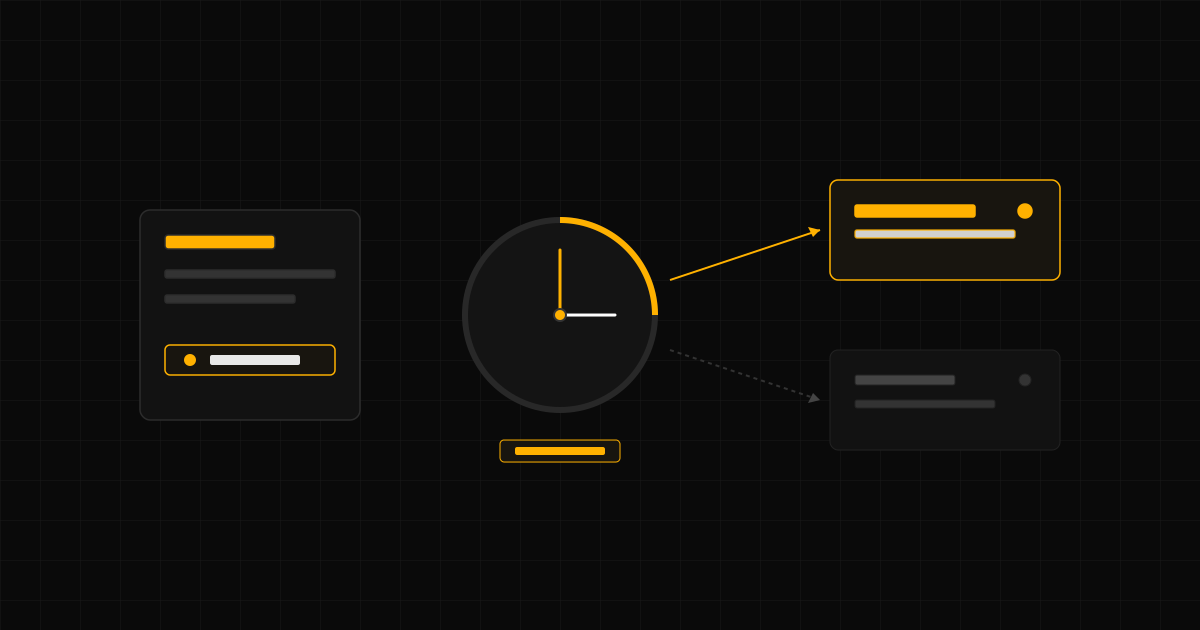
Mid-to-large commercial organizations commit substantial capital to demand generation. They finance targeted digital campaigns, sponsor major industry exhibitions, and invest in brand positioning to attract prospective enterprise buyers.
Yet across commercial operations, a quiet breakdown occurs at the exact moment customer interest is highest.
A prospective client visits the website, evaluates the offering, and submits an inquiry form requesting a technical consultation. Alternatively, they call the main commercial line or send an email to the inbound sales inbox. The buyer is engaged, qualified, and actively seeking a partner.
Then the transaction meets operational latency. The inquiry sits in a general distribution inbox. An internal coordinator forwards the message to a regional director who is currently traveling. Two days later, a sales representative finally reaches out with an introductory message.
By then, the commercial opportunity is usually gone. The prospective client has already scheduled consultations with two competitors who responded within twenty minutes.
The quantifiable cost of the response gap
The financial drag created by delayed inquiry handling is rarely visible on marketing dashboards. Marketing teams report successful acquisition metrics based on form fills, while sales executives lament declining lead conversion rates.
Data compiled in recent communications industry roundups highlights the scale of this friction. A 2026 study by call-tracking firm CallRail analyzing data from over 225,000 businesses found that approximately 28% of incoming calls go completely unanswered. In a related consumer sentiment benchmark conducted by Invoca in 2026, 79% of respondents stated they would switch to a faster-responding competitor if a provider was slow to answer their initial inquiry. Because these figures arrive through secondary research roundups, they should be viewed as broad industry benchmarks rather than absolute metrics, but they underline a clear commercial truth: buyers interpret silence as indifference.
Customer acquisition cost is paid upfront the moment an inquiry lands. When an enterprise takes twenty-four hours to reply to an inbound request, it is not saving labor. It is incinerating the marketing capital spent to generate that initial interest.
Why slow responses stem from operational friction, not laziness
Executive leadership frequently blames delayed replies on individual sales representative carelessness. Managers mandate stricter service level agreements or hold weekly pipeline reviews reminding staff to check their inboxes promptly.
These directives almost always fail because delayed replies are an operational architecture problem, not an attitude problem.
In mid-sized to large enterprises, handling an inbound inquiry involves several manual friction points:
- Intake fragmentation: Inquiries arrive through multiple channels simultaneously—website forms, inbound email inboxes, direct LinkedIn messages, and phone calls. Without unified coordination, messages sit unmonitored.
- Manual qualification overhead: Before responding, a representative must determine whether the lead is viable: researching the prospect's company size, checking existing CRM records to ensure another account executive is not already in dialogue, and reviewing geography. This research takes twenty minutes per lead, causing queues to form during busy periods.
- Internal routing delays: If an enterprise operates multiple specialized divisions, the lead must be routed to the correct account director. When routing relies on human triage, an inquiry often sits idle for hours waiting for a sales coordinator to log in and reassign the ticket.
- Context switching: Sales professionals spend substantial portions of their day conducting customer demonstrations, negotiating proposals, and handling existing accounts. They cannot continuously monitor inbound notification queues without disrupting complex customer work.
When sales reps are busy selling, new inquiries inevitably wait.
The four stages of a modern first-response workflow
Closing the response gap does not require forcing account executives to sit glued to their inboxes twenty-four hours a day. It requires building an operational sequence that handles initial triage, enrichment, and scheduling automatically.
A disciplined inbound architecture follows four immediate stages:
Stage 1: Immediate contextual acknowledgment
Within sixty seconds of an inquiry arriving, the system delivers an intelligent acknowledgment.
This is not a generic auto-responder stating "we have received your email and will reply in two business days." It is a context-aware communication referencing the specific service or technical operational challenge the prospect noted in their submission, confirming that their request is under active review.
Stage 2: Instant commercial enrichment
Before routing the inquiry to a human seller, the system enriches the lead profile in the background:
- Cross-referencing company registries for verified revenue tiers and employee headcounts.
- Checking historical enterprise CRM records to identify past commercial interactions or existing master service agreements.
- Verifying regional operational jurisdictions to determine the appropriate commercial team.
This research, which takes an employee fifteen to twenty minutes of manual searching, occurs in seconds.
Stage 3: Direct calendar orchestration
For inquiries that meet established qualification thresholds, the system removes the administrative email tag of scheduling an introductory briefing.
The prospective buyer is immediately presented with live calendar availability for the specific account director responsible for their industry and territory. The client selects a time, calendar invitations are distributed to both parties with videoconferencing details, and the CRM updates automatically.
Stage 4: Complete executive briefing delivery
Ten minutes before the scheduled meeting, the account director receives a concise briefing document:
- Background overview of the prospect's company and verified operating profile.
- The exact operational problem highlighted in their initial inquiry form.
- Direct links to corresponding CRM files, past customer tickets, and relevant industry case references.
The account executive enters the call fully prepared, without having spent hours on administrative preparation.
Accelerating pipeline velocity without adding administrative staff
Improving lead response time is one of the highest-leverage commercial adjustments an enterprise can make. It protects customer acquisition budgets, projects operational professionalism, and captures commercial momentum while buyer interest is acute.
This is the kind of work Kalvron builds systems to run continuously. By deploying autonomous agents to handle intake validation, lead enrichment, and instant scheduling, businesses ensure that no prospective client waits in administrative limbo—allowing senior commercial teams to focus their energy entirely on high-value client conversations.
Find out what your business can stop doing by hand.
In 20 minutes, we map your workflow and show you where an AI OS fits. No pitch. Just the diagnosis.
Book a call